

Whoa! I started this because I needed a wallet that didn’t make me pull my hair out. My first impression was messy; browser wallets often feel like a fast food menu—lots of options, too many addons, and somethin’ usually tastes off. I was skeptical, and then I spent a week poking around, connecting to testnets, and juggling hardware keys. Initially I thought browser extensions were inherently unsafe, but then I realized that a lot of the risk is about user behavior and defaults, not the extension itself.
Really? Okay—hear me out. Wallet design is UX plus security, and both matter equally. On one hand, a clunky UX causes people to copy private keys into random notes; on the other hand, overly permissive defaults create silent vulnerabilities that attackers love. I admit I’m biased toward tools that are pragmatic and opinionated, because they prevent mistakes before users even make them. My instinct said: give Rabby a proper test, not a cursory glance.
Here’s the thing. Security isn’t a checkbox you tick and forget. It evolves as attackers invent new tricks, and as users develop bad habits. At first I thought Ethereum wallets were mostly about key management, but actually transaction permissions—approvals—are the bigger recurring headache, because they persist and can be abused. So, I set up a workflow to test approvals, gas estimations, and contract interactions across multiple chains. That testing exposed patterns I hadn’t expected, like how many dapps quietly request open-ended approvals for tiny-value tokens.
Hmm… I’m learning out loud here. In practice, you need a wallet that makes approvals visible and reversible. I tested a few extensions and kept circling back to one that balanced features with clarity. There’s always tradeoffs. For example, adding multi-account support increases complexity, which can confuse people who just want to swap a token quickly. On the whole, a good extension nudges users toward safer defaults while retaining power-user options.
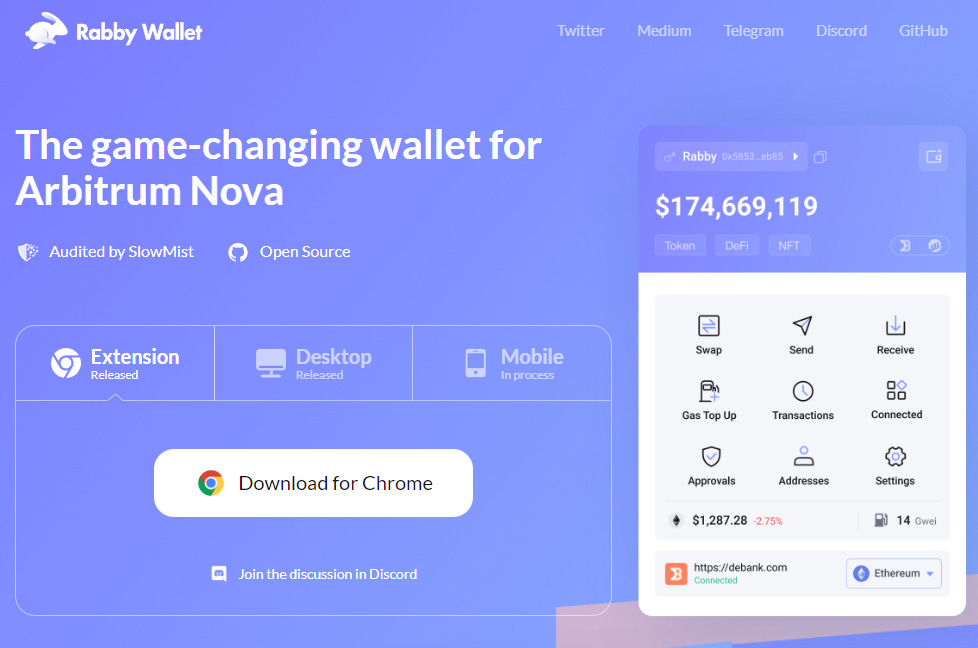
Seriously? This part bugs me. Too many wallets bury critical settings behind menus. My workflow needs quick access to approvals, a clear transaction breakdown, and easy hardware wallet integration. I found that Rabby lays these out so you can actually audit a transaction before you hit confirm. I’m not saying it’s perfect, but the mental model it supports is cleaner, and cleaner is safer when money is on the line.
A practical walkthrough: what to watch for with browser extension wallets
Wow! First, never copy your seed phrase into a web form. Really simple rule. Yet people break it all the time because they’re in a hurry or they want to “sync devices fast.” On one hand, speed feels convenient; on the other hand, copying seeds into cloud-synced notes is asking for trouble. My testing routine always starts with an air-gapped creation of a recovery phrase and then I import only to hardware or extension with a guarded process.
Okay, so check this out—transaction previews matter a lot. Wallets should show the receiving contract, the method being called, and a human-friendly explanation of what the calldata implies. If you only ever see “Swap” and a token list, you miss the nuance that an approval call might be setting unlimited allowance. Initially I overlooked that, but then a smart UI made it impossible to ignore the approval scope. That changed how I interact with dapps, and it should change how you interact too.
I’m biased, but I like wallets that make contract data explicit rather than hiding it behind technical jargon. That clarity reduces click-happy mistakes. On top of that, transaction simulations that estimate slippage and gas in plain English are very helpful. When a wallet warns that a contract call will drain approvals or take longer than usual, my reflex is to pause and inspect. That pause has saved me more than once.
Hmm… hardware wallets are still the gold standard for key security. If you’re handling serious value, combine a hardware key with a browser extension that acts as a UI only, not as the single source of truth. On many platforms, the extension mediates signing requests while the hardware device holds the private key. I tested this flow—ledger plugged in, Rabby controlling interactions—and it felt fast and secure. The same caution applies everywhere: don’t use an extension as a pseudo-hardware backup.
My instinct said make backups redundant. So I used multiple secure methods: encrypted offline backups, a metal seed plate for durability, and at least one hardware wallet. It’s extra work up front, though worth it. People often skip the extra step because it’s annoying, but later they wish they’d been more paranoid.
Whoa! Now approvals: they are stealthy little permission grants that live forever until revoked. Medium-sized warning here. Many wallets let dapps request unlimited approvals, and users accept because it’s “faster” for swapping. That speed comes with ongoing risk: a partially compromised dapp or malicious contract could drain tokens later. I treat unlimited approvals like an open tab I forgot to close; I don’t leave them open unless I have a reason.
Initially I thought revoking approvals was painful, but modern wallets streamline the process. You can view all token allowances and revoke them selectively. Rabby, for instance, highlights risky allowances and offers one-click revocation flows. That visibility transforms passive risk into an active security posture. You should regularly audit allowances, especially for long-tail tokens you’ve used on niche dapps.
Really? Let me give a real example. I connected to a small NFT marketplace for an experimental mint and granted a lax approval. Later, while auditing, I found an allowance that could have been abused by a rogue contract. Luckily I revoked it in time, but the incident reinforced that good defaults matter. Wallets that flag open allowances and group them by counterparty make audits less painful.
Here’s another practical note. Multi-chain convenience is great, but it can blur your security model across networks. If your wallet can switch chains automatically or show assets from multiple networks, you must ensure the UI clearly indicates which chain you’re transacting on. I saw a UI glitch where a token balance matched across chains and it was confusing—nearly made me approve a transaction on the wrong network. The wallet should use consistent color cues and chain labels so you don’t make that mistake.
Hmm… personalization helps. I like being able to set a default gas strategy, custom nonce controls, and to label accounts. These small things reduce cognitive load during a complex operation like bridging or batch transactions. But careful—power features can be dangerous in inexperienced hands, and the extension should hide advanced controls behind confirmations or educational microcopy. Balance matters; give power-users tools, but don’t hand everyone a nuclear button.
Whoa! Also, phishing attacks are relentless and creative. They’ll clone an extension UI, run fake download pages, or send a transaction that asks you to sign a message that looks harmless. Seriously, signing messages can authorize off-chain actions that later have on-chain consequences. My rule: never sign messages or transactions unless I understand the exact business logic, or unless the hardware device shows the same details. If an app asks for signature-based delegation, I read the text slowly—really slowly.
I’m not 100% sure about every phishing trick, but a cautious approach helps. Use official extension stores or the verified project page to download, and triple-check the publisher name. If you’re looking for a practical, user-friendly option to try, consider rabby—I found its interface pragmatic and its security posture thoughtful. That recommendation is from hands-on testing, not marketing speak.
Okay, tiny tangent: gas fees. They frustrate me. Some wallets offer fee suggestions that undershoot and cause failed fills; others overcharge and waste money. The best ones provide a reasonable default and let you tweak if you need speed. In my day-to-day, I set a conservative default and only bump it for time-sensitive trades. That’s worked well across networks where mempool congestion varies wildly.
Here’s what I do for regular maintenance: audit approvals monthly, check connected sites after major upgrades, and keep at least one hardware key offline. It’s tedious yet effective. On the other hand, I sometimes let small allowances linger for convenience, which is not ideal, though manageable if you monitor activity. I’m human; I trade convenience for safety sometimes, but I try to keep that trade-off explicit.
Whoa! Final practical tips before you try a new extension: test with tiny amounts first. Really tiny—like pennies. Use a burner account for initial connections, and don’t import your main seed until you’ve vetted the extension behavior. If the wallet offers sandboxing or isolated accounts, use them. If something smells phishy, close the tab and breathe. There are no redo buttons when private keys leak.
FAQ
Is a browser extension wallet safe for daily DeFi use?
Short answer: yes, with precautions. Long answer: extensions are safe when combined with strong habits—hardware keys for high value, careful approval management, and cautious signing of messages. Use smaller amounts for everyday interactions and keep the bulk of funds in cold storage.
How do I avoid phishing and fake downloads?
Only download from verified sources, check publisher names, and prefer official release pages. Don’t trust links in unsolicited messages. If unsure, verify via multiple channels (project Twitter, GitHub release, or official docs). And again, test with a low-value account first.
What makes Rabby different?
Rabby emphasizes clear permission management, useful transaction previews, and good hardware-wallet integration, which together reduce common user mistakes. It’s not magic, but it’s design that nudges people toward safer actions without getting in the way of power users.
0 Comment on this Article
Comment closed!